II Punishment of Desires for Vice and Immoral
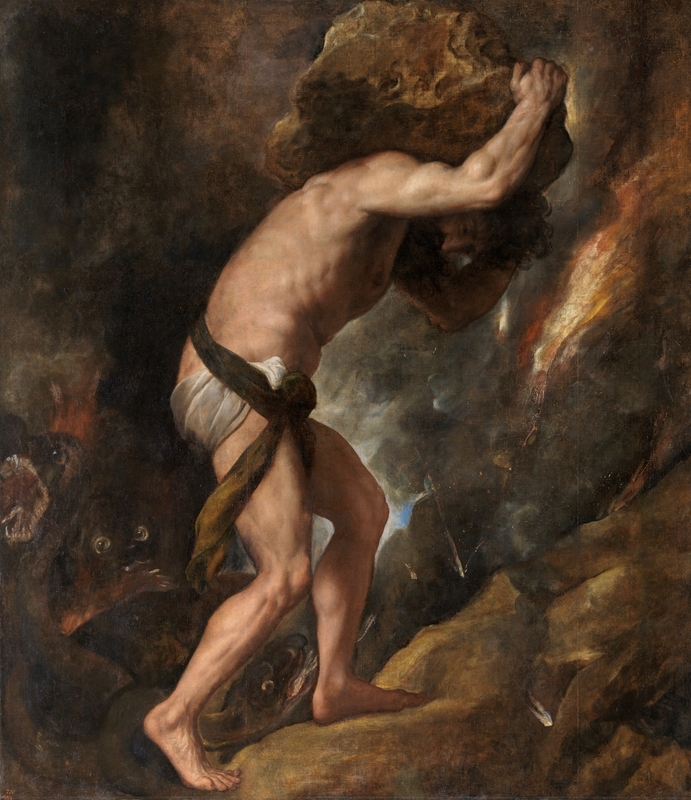
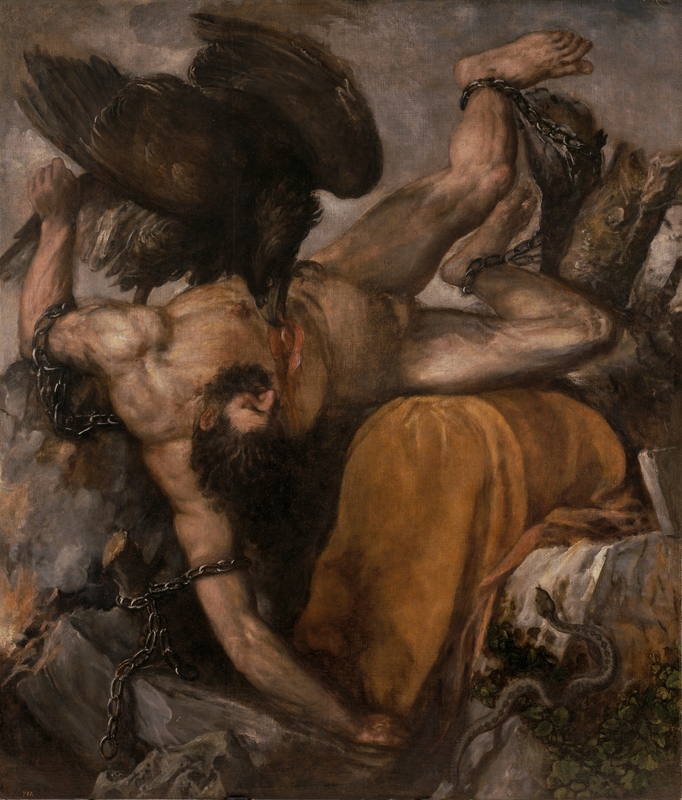
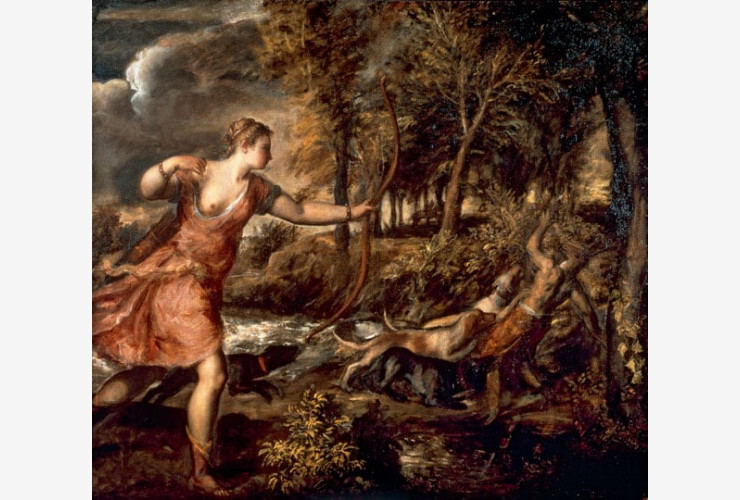
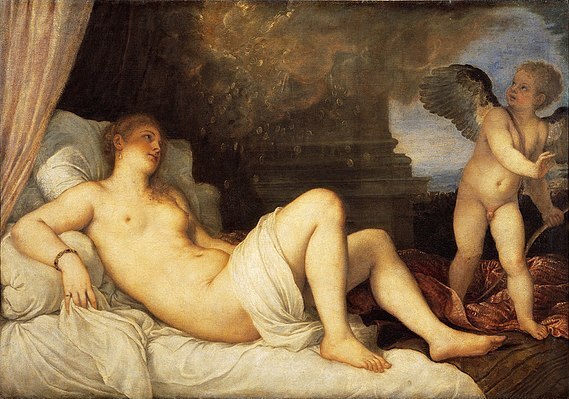
Many of the pain, torture, and death in classical mythology comes from the command of the supremely powerful god. In the 16th century, artists in Venice not only painted beauty and ideals but also vividly portrayed the emotions of helplessness, disappointment, sadness, and so on. They use light, shadow, color, and other skills to effectively convey painful emotions, and make the audience feel sympathy or fear for them.
In this way, myths are allegorical for encrypting hidden meanings. Medieval anthologies of ancient myths often attribute the morality and social meanings. In Danaë, for instance, can be reinterpreted as a proactive tale about bribery that filled Danaë’s bed with gold and rendered her to tragedy. These myths discuss jealousy and anger, exclusion and loss, aggression and death, and several kinds of relationships of vice. Since their thoughts, desires and fears are our own, we connect to the characters in them.[1]
In mythology, all kinds of evil and excessive desires are directly criticized and warned. The examples are Typhus and Actaeon, who have committed sins because of excessive desire for lust. [2] Through the display of the cruel tragedies in some myths, the artist is showing the audience the norms of morality, which is consistent with the virtues and Christian norms advocated by society. These paintings warn people about the difference between good and evil. At the same time, the art patrons of these paintings have also deliberately selected these tragedies to show their ruling power. In expressing power the deterrence against resistance, nothing conveys the message more clearly than the angry punishment issued by the gods.
Titian has a perceptual and infectious interpretation of the classic myths about the temptation and punishment of evil. Titian skillfully manipulates the contrast of color and light to achieve dazzling and frightening effect; tense and fatigue muscles, painful expressions, dim light, repressive and dark air and landscape, etc. [1]
We reflect on the art works, inescapably, as the gods transform the lives of flawed mortals. Take Titian’s Sisyphus and Tityus as examples, along with other ancient references stressing the suffering and relentless torment of those who rebelled against the gods, they were displayed high up in their original location. [3] The demands came from Mary of Hungary (governor of the Netherlands). Mary intended to show the destiny of those who rise up against their legitimate ruler, clothing her message in mythologicl guise, and comparing the challenge to the gods with that of the German princes to the emperor.[4] These paintings show the final victory of virtue over evil in classical mythology and the victory of power over the rebels.
[1] Cahill, James. “How Artists Use Myth to Explore the Darker Side of Human Nature.” CNN. Accessed November 11, 2020. https://www.cnn.com/style/article/artists-myth-flying-too-close-to-the-sun/index.html.
[2]Jane Ellen Harrison, Prolegomena to the Study of Greek Religion (Princeton: Princeton University Press, 1991), 336.
[3] “Sisyphus - The Collection - Museo Nacional Del Prado.” Accessed November 11, 2020. https://www.museodelprado.es/en/the-collection/art-work/sisyphus/bb56eb47-052f-4e15-8e46-75a3f18b13ad.
[4] Miguel Falomirl, “The 'Furias': From Titian to Ribera,” Museo del Prado, last modified 2014,https://www.museodelprado.es/en/whats-on/exhibition/the-furias-from-titian-to-ribera/5421b042-69b8-4345-8e6f-11ea4ced0823.