Gallery One: Realistic Depictions of Religious Scenes
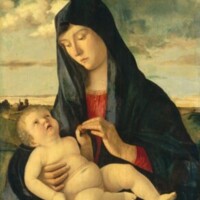

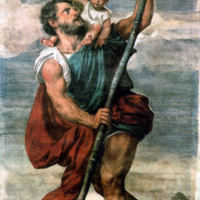
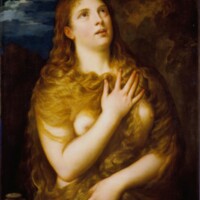
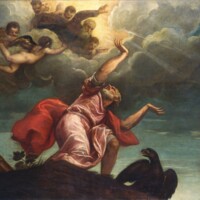
Religious art in early modern Venice began to become more realistic, both in its depiction of people and in its naturalistic depiction of its surroundings, emphasizing the humanist idea of using human knowledge of the natural world. These more naturalistic depictions occurred in many ways, whether through the use of the more relaxed contrapposto stance or texturing and layering of oil paint, highlighting the skill of these artists and once again embodying the Renaissance ideal of human innovation in art. In Venice, there were a variety of wealthy individuals, and their patronage of art allowed for a variety of artists to employ these new artistic styles ,spurring competition and innovation among artists which leads to new, more realistic artwork [1]. In addition, Venice's unique position as a city on water and thus a center of trade and printing allowed for many ideas to pass through the city from all over the world, allowing for the integration of all these new concepts into its artwork [2]. This gallery gives insight into the broad use of techniques, subjects, artists, and styles that exemplify this idea of a more realistic approach to religious artwork, which makes the viewer more likely to identify with and connect with the religious narrative of the painting. As you travel through this gallery, organized in chronological order, you will be able to see a shift towards more realistic ideals, which is aligned with guidelines set by the Council of Trent to make religious artwork relevant to ordinary people [3] .
Consider here how the realism of the artistic depictions affects your perception of this religious art and what this reflects about the shift in religious values in early modern Venice. For example, in The Penitent Magdalene by Titian, he employed layering of paint and gold to create a more realistic depiction of her hair and eyes, which enhanced the sensuality of her appearance, thus forcing viewers to have a moral struggle overcoming their temptations and creating more of a connection of the viewers with the artwork.
[1] Ilchman, Frederick, and Linda Borean. 2009. Titian, Tintoretto, Veronese. Boston: MFA Publications.
[2] Savoy, Daniel. 2012. Venice From the Water. New Haven [u.a.]: Yale University Press, 93-94.
[3] "Council Of Trent | Definition, Summary, Significance, Results, & Facts". 2020. Encyclopedia Britannica. https://www.britannica.com/event/Council-of-Trent.